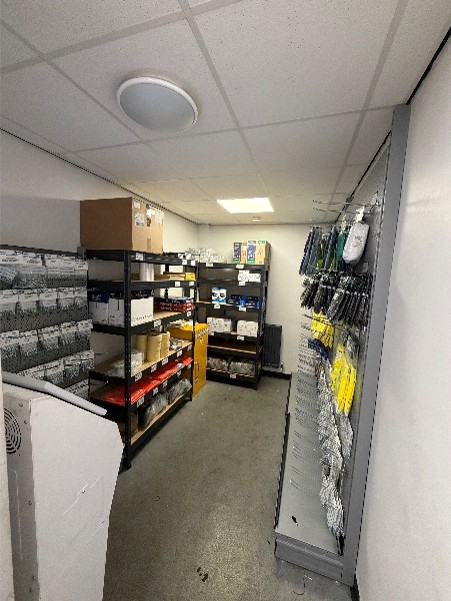
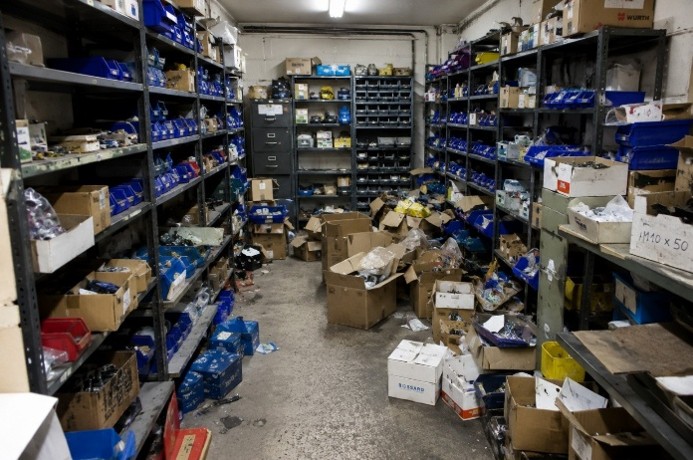
Walk into almost any manufacturing or engineering facility and you’ll often find the same overlooked bottleneck: the stores area.
It’s rarely the focus of investment or improvement projects, yet it has a direct impact on almost every other part of the operation. Engineers rely on it, production depends on it, and procurement is responsible for keeping it running smoothly. Despite this, many businesses still accept inefficient stores processes as “just how it is.”
The real issue is that inefficiencies in stores don’t stay in stores. When a part can’t be found quickly, when stock levels are unclear, or when replenishment relies on manual checks and assumptions, the knock-on effect is immediate. Production slows down, engineers lose valuable time searching for materials, and jobs that should take minutes stretch into hours.
In many cases, businesses don’t fully recognise the hidden cost of these delays. A few minutes here and there may not seem significant, but across shifts, teams, and months of production, the impact on productivity and profitability can be substantial.
One of the most common challenges is lack of visibility. Without clear systems in place, it becomes difficult to know exactly what is in stock, where it is located, and when it needs replenishing. This often leads to two extremes: either overstocking “just in case” or running out of critical items at the worst possible time.
Another issue is reliance on manual processes. Paper-based systems, spreadsheets, and ad-hoc ordering may have worked in the past, but they struggle to keep up with modern manufacturing demands. They are time-consuming, prone to error, and rarely provide real-time insight.
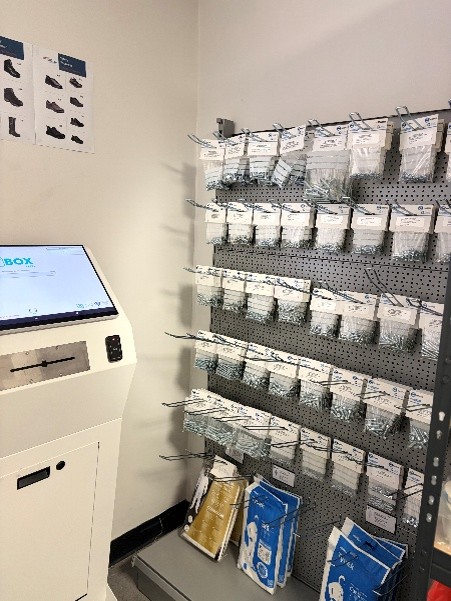
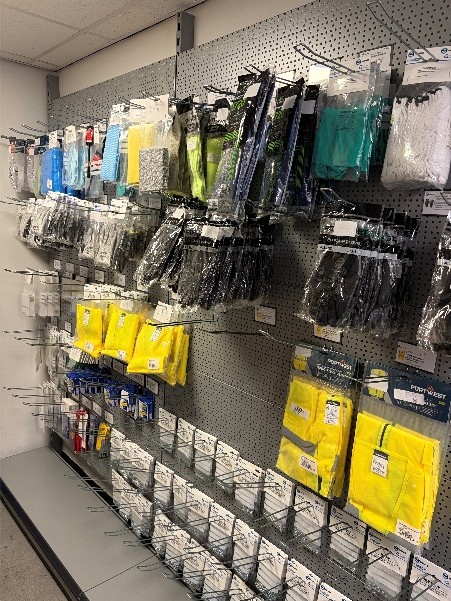
Improving stores performance does not always require large-scale disruption. In fact, some of the most effective changes are simple but strategic. Introducing structured systems such as Kanban helps ensure stock is replenished based on actual usage rather than guesswork. This reduces excess inventory while also preventing shortages.
For businesses looking to take efficiency further, RFID technology offers real-time visibility of stock movement and usage. This allows organisations to track consumables automatically, improve accuracy, and reduce the administrative burden on teams. It also provides valuable data that can be used to forecast demand and optimise inventory levels.
In addition, vending solutions are becoming increasingly popular in engineering and manufacturing environments. By controlling access to frequently used items and automatically tracking usage, businesses can reduce waste, improve accountability, and ensure critical supplies are always available when needed.
At Masfix, we work closely with manufacturers and engineering companies to transform stores areas from reactive cost centres into efficient, controlled, and visible parts of the supply chain. Through a combination of vendor managed inventory solutions, Kanban systems, RFID technology, and vending solutions, we help businesses reduce downtime, improve productivity, and gain greater control over their inventory.
The goal is not just to manage stock more effectively, but to create a stores environment that actively supports production rather than slowing it down. When the right systems are in place, engineers spend less time searching and more time doing, and procurement teams gain the confidence that stock levels are being managed correctly.
If your stores area is something you “manage around” rather than something that actively supports your operation, it may be time to review its performance.
Masfix offers a free, no-obligation stock management consultation for EMN members, helping identify opportunities to improve efficiency, reduce costs, and streamline processes.
To find out more, visit www.masfix.co.uk or contact our team directly.
📞 0191 264 9960
✉ sales@masfix.co.uk
🌐 www.masfix.co.uk