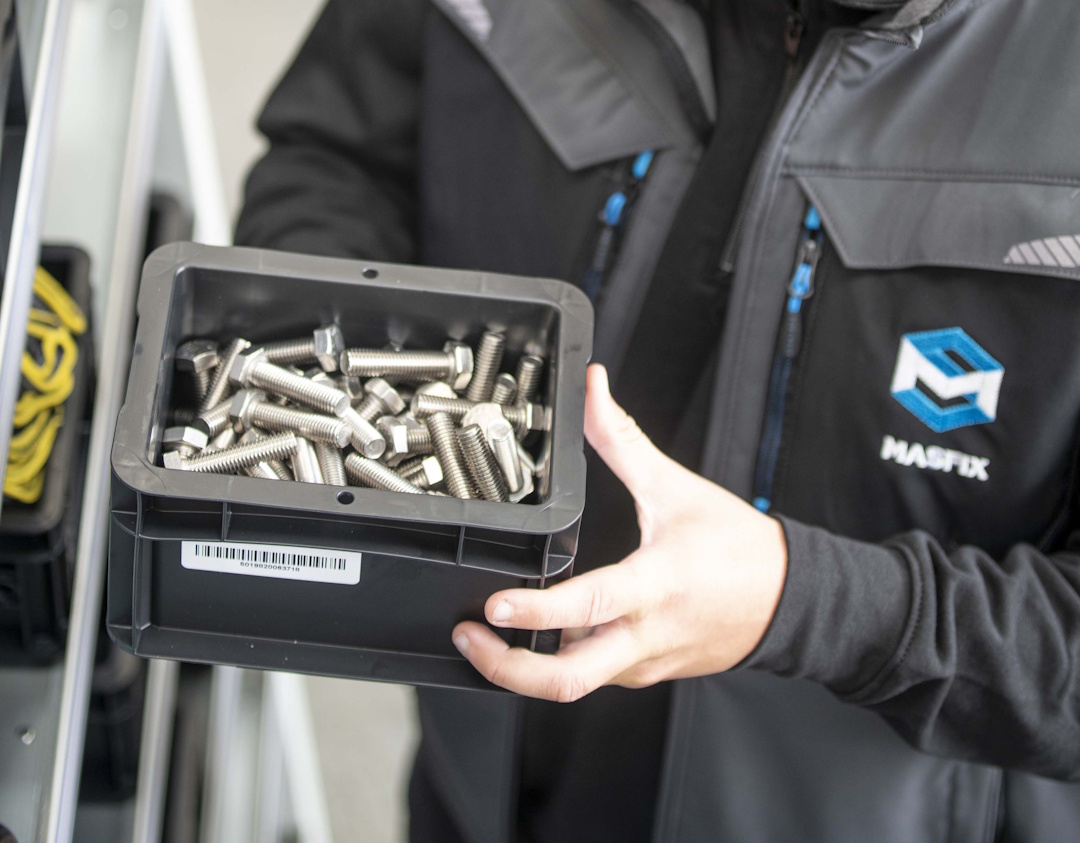
In manufacturing, production rarely stops because of a missing million-pound machine. It stops because of a missing £0.10 bolt.
That single fastener, the worn cutting tool not replaced in time, or the consumables that didn’t arrive when expected — these are the silent disruptors of engineering and manufacturing operations. When they’re available exactly when needed, no one notices. When they’re not, everything feels it: schedules slip, labour stands idle, and costs escalate fast.
For engineering and manufacturing businesses operating on tight margins and tighter deadlines, the supply chain for fasteners, tools, and consumables isn’t a back-office function — it’s a performance driver. The organisations that treat it strategically outperform those that see it as simple purchasing. If production efficiency, cost control, and resilience matter to your business, it’s time to look more closely at what’s holding everything together.
The Hidden Engine Behind Production Efficiency
Fasteners, cutting tools, abrasives, lubricants, PPE, adhesives, and other consumables are often categorised as indirect spend. Yet they directly influence throughput, quality, and uptime. Without them, machining centres can’t cut, assemblies can’t be completed, and maintenance teams can’t act.
In high-output environments, even minor shortages create disproportionate disruption. Downtime costs quickly outweigh the value of the missing item. A robust supply chain ensures consistent availability through accurate forecasting, intelligent stock management, and responsive replenishment systems.
The result? Fewer interruptions, smoother workflows, and production teams focused on output rather than problem-solving shortages.
Supporting Lean Without Creating Fragility
Lean manufacturing and just-in-time models reduce excess inventory, but they also increase dependence on reliable supply. A well-structured fasteners and consumables supply chain balances efficiency with resilience.
This means:
- Clear visibility of usage data
- Vendor-managed inventory where appropriate
- Strategic safety stock for critical lines
- Integrated digital systems linking procurement to production
Lean operations should be agile, not vulnerable. The right supply partner strengthens that balance.
Protecting Quality and Compliance
Engineering businesses operate under strict quality and regulatory requirements. Inconsistent or uncertified components introduce risk — from product failure to reputational damage.
A reliable supply chain provides:
- Traceable, certified materials
- Consistent specification adherence
- Documented quality control
- Accountable supplier partnerships
When every component matters, supply integrity becomes non-negotiable.
Reducing the True Cost of Ownership
The lowest unit price rarely equals the lowest overall cost. Emergency freight, administrative time, production delays, overtime labour, and rework quickly erode any apparent savings.
Strategic sourcing and consolidated supply reduce complexity, streamline procurement, and provide predictable pricing structures. Over time, this lowers total cost of ownership while improving operational stability.
Enabling Scalable Growth
As manufacturing businesses expand — adding new product lines, increasing output, or operating across multiple sites — supply chain complexity multiplies. Without structure, growth creates bottlenecks.
A scalable supply chain offers:
- Standardised product ranges
- Centralised procurement oversight
- Multi-site delivery capability
- Data-driven demand planning
It allows operations to grow confidently without compromising performance.
In engineering and manufacturing, efficiency isn’t driven by one major breakthrough. It’s achieved through thousands of small components working seamlessly together. A robust supply chain for fasteners, tools, and consumables ensures those components are always in place.
If your production performance depends on reliability, cost control, and resilience, strengthening this part of your supply chain may be the most strategic decision you make this year.