
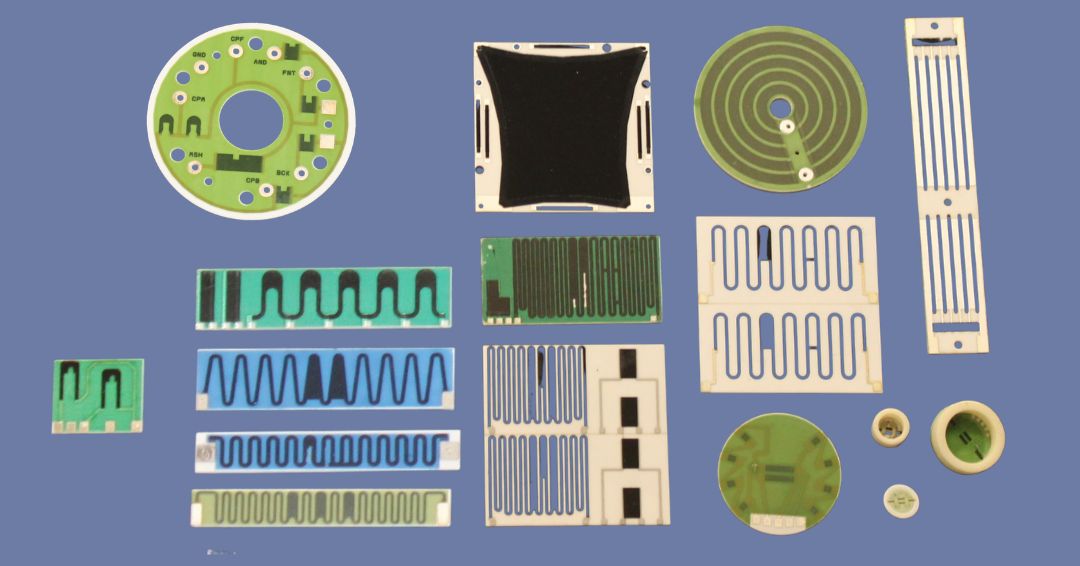
When designing systems for high-reliability applications, selecting the correct resistors is critical. A wide range of standard resistors is available from the large resistor manufacturers, but what if standard resistors cannot meet the stringent demands of the end application.
A custom resistor device from a specialist resistor manufacturer is one potential solution; however, before making any decisions, it’s important to be aware of the limitations of both high-volume and low-to-medium volume custom device manufacture.
Some resistor technologies lend themselves to customisation at a reasonable cost, while others do not.
Resistor Technology Comparison
There are many types of resistors. Some are general-purpose devices, while others have power, voltage and environmental limitations.
Thin film and metal foil resistors require specialised manufacturing equipment, significant setup time and tight process control, making them uneconomical for medium-volume custom applications.
It is possible to manufacture relatively small batches of wirewound resistors, but thick-film resistor technology is the clear winner when customisation and/or low to medium volume is required.
High Volume Thick Film Resistor Manufacture.
As the focus is on standardisation, the aim is maximum throughput in the shortest possible time, without compromising quality. Changes to materials or equipment setup are avoided wherever possible.
Economies of scale are all-important in high-volume manufacturing. To maximise volume, the goal is to standardise the product to suit the widest possible range of applications.The prime consideration when selecting materials is cost.
Custom Thick Film Resistor Manufacturing
With custom thick-film resistors, the focus shifts towards matching the product to unique design specifications and performance requirements.
Specialist processing, specialist materials and in-process selections are impractical on high-volume lines. However, with custom devices, the opposite is true. The ability to make fine adjustments to materials and the process is paramount for customised resistors.
Minimising material cost is often an overriding factor in high-volume manufacturing, whereas in specialist applications, material performance is key.
Cost Implications
In high-volume applications, the costs of establishing and maintaining process controls and automated testing can be high. The only way to justify these costs is to push a high volume (high value) of resistors through the process in the shortest possible time.
In custom resistor manufacturing, the aim is to optimise the process and materials to match specific demand, which naturally increases costs. Hence, in general, a product delivered by a high-volume manufacturer will be cheaper than a custom thick-film resistor product.
However, product cost is not the only consideration. A custom thick-film resistor could save on other system-level costs. In severe environments, custom resistors can reduce in-service failure rates.
Conclusion
When selecting thick film resistors, engineers must consider factors such as lead times, minimum order quantities, and total cost of ownership. Sometimes, resistor component failure is not an option, and the ability to optimise thick film resistor characteristics can outweigh pure economic factors.
Low-volume custom resistor requirements are often of little interest to major resistor manufacturers. In contrast, TSEC’s manufacturing process is optimised to support thick film resistor manufacture in the low to medium volume required for specialised applications. Based in County Durham, TSEC are ideally placed to support customers across the North East region