
Engineering employers need graduates who can do more than understand theory. Newcastle College University Centre is putting practical experience, problem-solving and digital skills at the heart of engineering education to help prepare students for the realities of the workplace.
So how do we ensure engineering graduates are not only academically capable, but also ready to make a meaningful contribution to industry?
At Newcastle College University Centre (NCUC), the answer lies in combining academic knowledge with practical engineering experience. Just as importantly, students need the confidence to solve real-world problems and apply what they have learned.
Engineering education must therefore go beyond teaching students what they need to know. It also needs to develop the practical skills, independence and problem-solving abilities that will help them build successful careers.
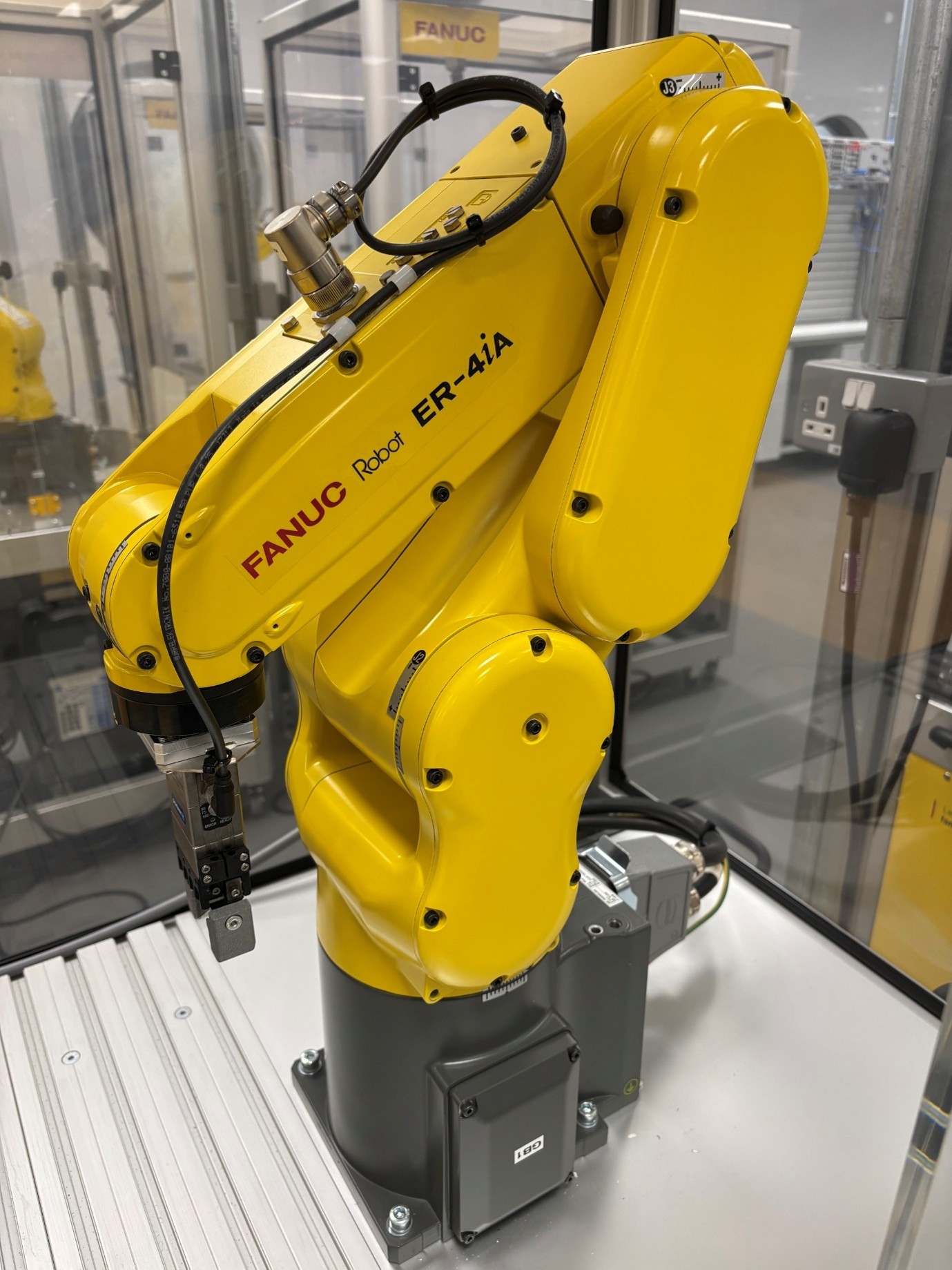
Putting practical engineering skills at the heart of learning
NCUC has placed practical learning at the centre of its engineering provision.
This approach is supported by two important elements. Firstly, teaching staff bring valuable industry experience alongside their teaching expertise. Secondly, investment in equipment and facilities gives students opportunities to put engineering theory into practice.
The aim is straightforward: to help bridge the gap between academic study and the workplace.
By developing practical skills alongside technical knowledge, students can become better equipped to adapt to an engineering environment and contribute productively after graduation.
With digital technologies and automation playing an increasingly important role in engineering, the ability to solve problems and apply knowledge in practice is particularly valuable.
From engineering theory to real-world application
 NCUC’s engineering curriculum combines academic learning with practical challenges.
For example, students explore applied theory through experiments that calculate reaction forces on beams. They also undertake tensile testing, comparing mathematical and scientific predictions with experimental results.
Alongside this, students develop vocational and technical skills using technologies found across modern engineering environments. This includes programming robotics, programmable logic controllers (PLCs) and CNC machinery.
Bringing these experiences together helps students understand how individual engineering principles translate into practical applications.
However, the benefits go beyond technical knowledge.
Students learn how to investigate problems, test potential solutions and, importantly, learn from the results. That process helps develop the confidence and independence required in the workplace.
Preparing future engineers for automation
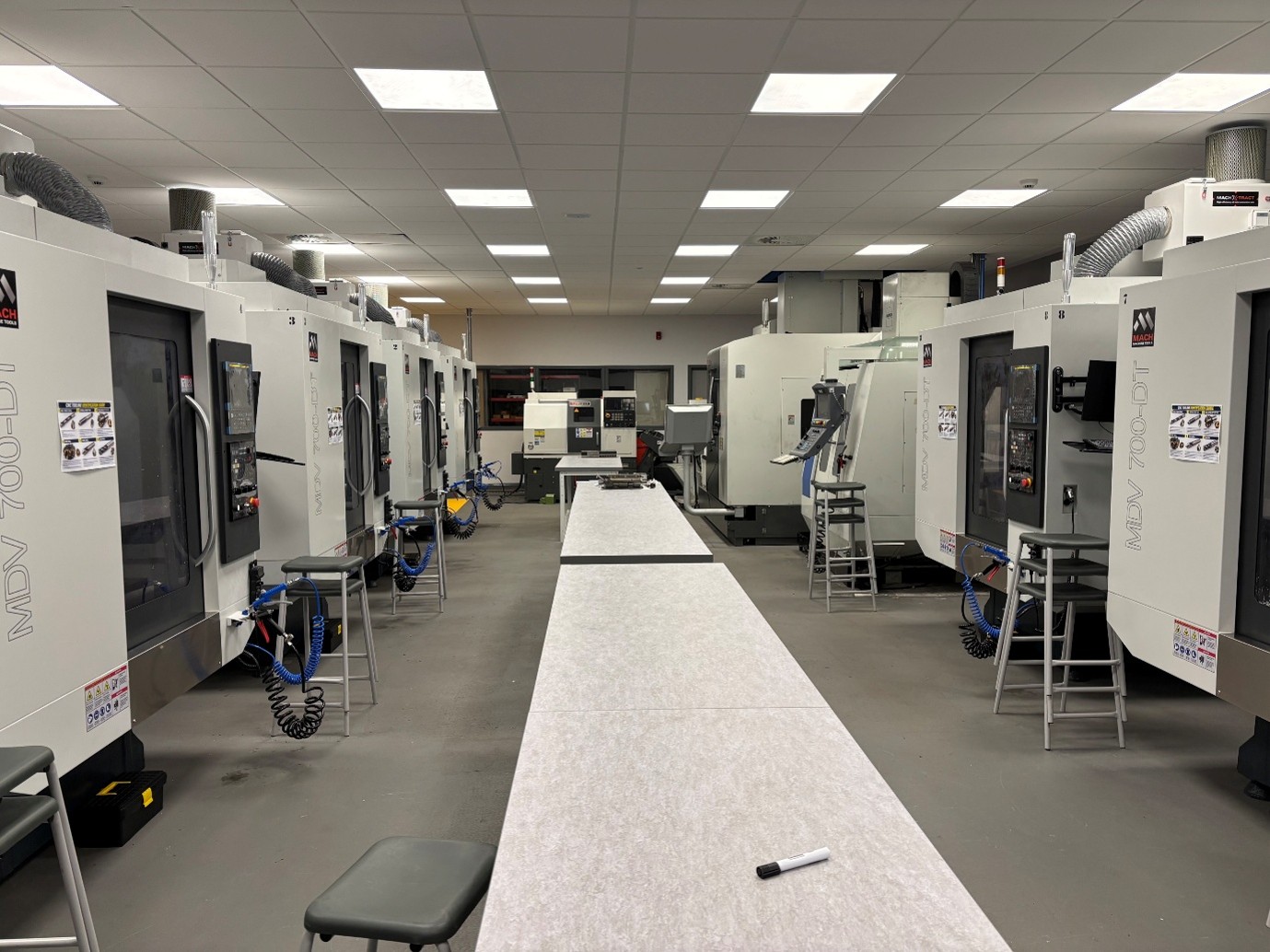 Automation provides a clear example of why practical engineering education matters.
One employer recently highlighted its intention to automate tasks wherever possible. For the engineers of the future, this reinforces the importance of understanding automated systems and developing strong digital skills.
Future engineers will need the practical ability to programme, operate and improve these systems, alongside the engineering knowledge that underpins them.
Giving students opportunities to experiment, troubleshoot and apply their learning therefore helps prepare them for the challenges they may encounter throughout their careers.
Learning by doing
At NCUC, learning by doing is more than a teaching method. It is central to the University Centre’s approach to developing the next generation of engineering talent.
Combining academic knowledge with practical experience helps students see how engineering works beyond the classroom. It can also give them the confidence to tackle problems, explore solutions and continue developing their skills.
Ultimately, the ambition is to prepare graduates for successful and rewarding engineering careers while helping employers access the practical engineering and digital skills they need for the future.
For more information contact: jenna.allen@ncl-coll.ac.uk